Understanding and Managing Anxiety Through Guided Prompts
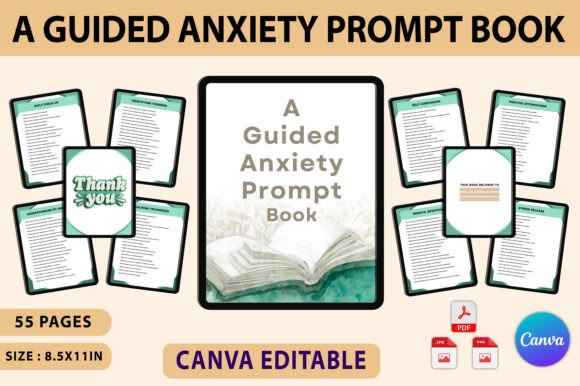
Anxiety is a common experience that affects millions of people worldwide. While it can be a natural response to stress, chronic anxiety can significantly impact daily life, relationships, and overall well-being. In recent years, there has been a growing interest in tools and practices that help individuals manage their anxiety effectively. One such tool is the A Guided Anxiety Prompt Book, a journaling resource designed to support self-reflection, emotional regulation, and mental wellness through structured prompts and exercises.
The Role of Journaling in Anxiety Management
Journaling has long been recognized as a powerful tool for mental health. It allows individuals to process emotions, track patterns, and gain insight into their thoughts and behaviors. The A Guided Anxiety Prompt Book takes this concept further by providing a structured framework for guided reflection. Each section of the book includes thought-provoking questions that encourage users to explore their feelings, identify triggers, and develop coping strategies.
For example, one prompt might ask, "What situations or thoughts tend to increase my anxiety?" This question helps users become more aware of their personal triggers, which is a crucial first step in managing anxiety. By identifying these triggers, individuals can begin to understand the root causes of their anxiety and work towards addressing them.
Structured Prompts for Self-Awareness
The A Guided Anxiety Prompt Book is organized into over 50 sections, each focusing on different aspects of anxiety management. These include prompts related to self-awareness, mindfulness, resilience, and self-care. The structured nature of these prompts ensures that users are consistently engaging with their mental health in a meaningful way.
One particularly effective section is the "Daily Check-ins," where users are encouraged to track their moods, anxiety levels, sleep quality, and gratitude. This practice not only helps users monitor their progress but also fosters a sense of accomplishment and mindfulness. By regularly reflecting on these aspects, individuals can develop a better understanding of their emotional state and make informed decisions about their well-being.
Breathing Grounding Exercises and Mindfulness Techniques
In addition to reflective prompts, the A Guided Anxiety Prompt Book includes breathing grounding exercises and mindfulness techniques. These exercises are designed to calm the mind and body during moments of heightened anxiety. For instance, one exercise involves deep breathing while focusing on the sensation of the breath entering and leaving the body. This technique helps to anchor the individual in the present moment, reducing the intensity of anxious thoughts.
These grounding exercises are especially useful in situations where anxiety becomes overwhelming. By incorporating these practices into daily routines, users can build a repertoire of tools to manage their anxiety in real-time. Over time, these exercises can become automatic responses to stress, helping to create a more resilient mindset.
Positive Affirmations and Self-Compassion
Another key feature of the A Guided Anxiety Prompt Book is its inclusion of positive affirmations. These affirmations are designed to reinforce self-compassion, resilience, and confidence. Users are encouraged to write down affirmations that resonate with them, such as "I am capable of handling whatever comes my way" or "I deserve kindness and support."
By regularly engaging with these affirmations, individuals can shift their internal dialogue from negative self-talk to a more supportive and encouraging tone. This shift is essential for building a positive relationship with oneself and fostering emotional resilience. The book also includes prompts that encourage users to celebrate small victories, reinforcing the idea that progress is often made in incremental steps.
Creative Expression and Emotional Release
The A Guided Anxiety Prompt Book recognizes that creative expression can be a valuable outlet for managing anxiety. It includes sections dedicated to art, writing, and visualization, allowing users to channel their emotions into creative activities. For example, one prompt might ask, "How can I express my current feelings through drawing or painting?" This type of activity provides a safe space for emotional release and can be particularly beneficial for those who find it difficult to articulate their feelings verbally.
Engaging in creative activities can also serve as a form of mindfulness. When individuals focus on the process of creating rather than the outcome, they are more likely to stay present and reduce the intensity of anxious thoughts. This makes creative expression an effective tool for both emotional regulation and stress relief.
Sleep Support and Relaxation Practices
Many individuals with anxiety struggle with sleep disturbances, which can exacerbate their symptoms. The A Guided Anxiety Prompt Book addresses this issue by including relaxation and sleep support sections. These sections offer evening reflection prompts and calming practices designed to promote restful sleep.
One such practice involves writing down worries or anxieties before bed, allowing the mind to let go of these thoughts. This technique can help reduce the mental clutter that often interferes with sleep. Additionally, the book includes guided relaxation exercises that can be practiced in the evening to create a peaceful transition from day to night.
Building Supportive Relationships
Anxiety can also affect social interactions, leading to feelings of isolation and discomfort. The A Guided Anxiety Prompt Book includes tools to help users reflect on their relationships and strengthen supportive connections. Prompts such as "How do my relationships impact my anxiety levels?" encourage users to examine the role of social interactions in their emotional well-being.
By fostering healthier communication and setting boundaries, individuals can create more supportive environments for themselves. The book also includes exercises that help users identify and cultivate positive relationships, which can provide a sense of security and belonging.
Goal Setting and Progress Tracking
Managing anxiety often involves setting realistic goals and tracking progress. The A Guided Anxiety Prompt Book includes pages dedicated to goal setting and progress tracking. These sections allow users to plan, reflect, and celebrate achievements while managing their anxiety.
For example, a user might set a goal to engage in a daily mindfulness practice or to participate in a specific self-care activity. By tracking progress, individuals can see how their efforts are contributing to their overall well-being. This sense of achievement can be incredibly motivating and can help reinforce positive habits over time.
Conclusion
The A Guided Anxiety Prompt Book is a comprehensive tool designed to support individuals in understanding and managing their anxiety through guided reflection, creative expression, and mindfulness practices. Its structured approach encourages self-awareness, emotional growth, and resilience, making it a valuable resource for anyone seeking to improve their mental wellness. Whether used as a daily practice or a weekly check-in, this book offers practical strategies that can be adapted to fit individual needs and lifestyles.