Managing Anxiety Workbook: A Practical Tool for Everyday Stress Relief
If you're someone who feels overwhelmed by daily pressures, whether at work, home, or in your personal life, the Managing Anxiety Workbook might be the solution you're looking for. Designed as a guided self-help planner, this workbook offers a structured approach to understanding and managing anxiety through actionable exercises, reflection prompts, and daily tracking tools. It's not just another self-help book—it's a customizable resource that fits into your routine and supports your mental well-being.
Why Use the Managing Anxiety Workbook?
The Managing Anxiety Workbook is ideal for anyone who wants to take control of their anxiety without relying solely on therapy or medication. Whether you're a busy professional, a student juggling multiple responsibilities, or an entrepreneur navigating the ups and downs of starting a business, this tool can be tailored to fit your unique needs. Its flexibility makes it suitable for use in various settings—whether you're sitting at your desk, traveling, or taking a break from work.
Real-World Scenarios Where This Workbook Shines
Let’s explore some realistic situations where the Managing Anxiety Workbook can make a difference:
- During a stressful workday: If you're feeling overwhelmed by deadlines or client demands, the workbook's daily tracker helps you monitor your anxiety levels and identify patterns. You can use the breathing exercises to quickly calm down and refocus before returning to your tasks.
- Before a big presentation: The 5-4-3-2-1 grounding technique is perfect for moments when nerves get the best of you. It can help you stay grounded and focused, ensuring you deliver your best performance.
- While working from home: Many people struggle with the blurred lines between work and personal time. The workbook includes a healthy habits planner that helps you establish boundaries and prioritize self-care routines.
- For students dealing with academic pressure: The reflection prompts and gratitude journaling sections can help students shift their mindset from stress to appreciation, improving both mental health and academic performance.
- For creative professionals: The affirmations section can be especially helpful for artists, writers, or designers who often face self-doubt. Writing positive affirmations can boost confidence and creativity during challenging projects.
What Makes the Managing Anxiety Workbook Unique?
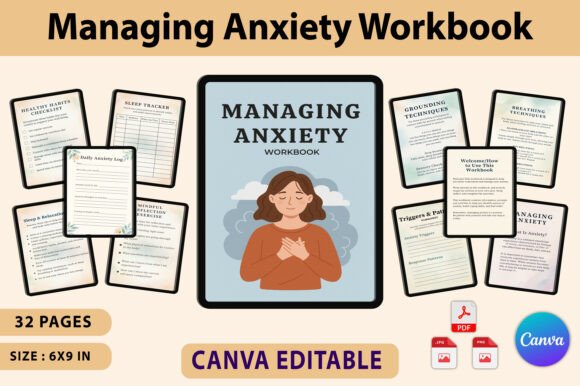
Unlike generic self-help guides, the Managing Anxiety Workbook offers a blend of practicality and personalization. It includes:
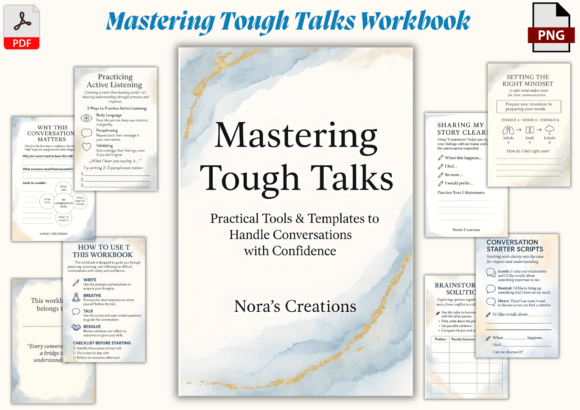
- Worksheets and prompts: These help users identify triggers, reframe negative thoughts, and develop healthier coping mechanisms.
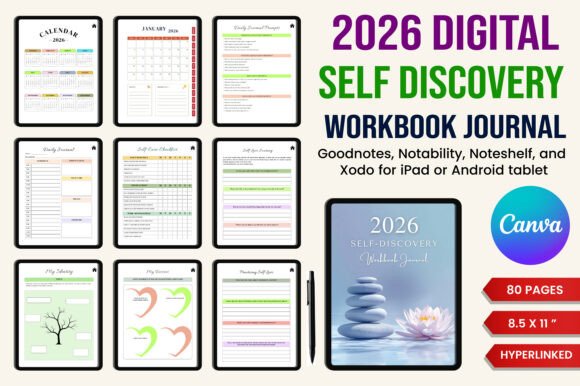
- Daily and weekly trackers: These allow users to monitor their progress over time, making it easier to spot improvements and areas needing more attention.
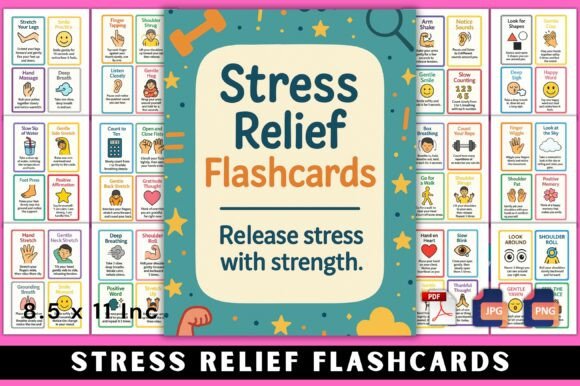
- Grounding techniques: Methods like box breathing and the 5-4-3-2-1 technique are easy to remember and effective for immediate relief.
- Sleep and relaxation tools: These are especially useful for those who struggle with insomnia or find it hard to unwind after a long day.
- Healthy habits and self-care plans: These encourage sustainable lifestyle changes that support long-term mental wellness.
- Reflection and gratitude journaling: These practices help users cultivate a more positive outlook and build resilience against future stressors.
- Resources section: This provides additional support options, such as recommended books, apps, and professional services, ensuring continued growth beyond the workbook itself.
Considerations Before Using the Managing Anxiety Workbook
While the Managing Anxiety Workbook is a valuable resource, it's important to consider how it fits into your overall approach to mental health. Here are a few things to keep in mind:
- It's not a substitute for professional help: If you're experiencing severe or persistent anxiety, it's crucial to consult a licensed therapist or counselor. The workbook is meant to complement, not replace, professional guidance.
- Consistency is key: Like any self-help tool, the effectiveness of the Managing Anxiety Workbook depends on how regularly you engage with its exercises and trackers.
- Customization matters: While the workbook provides a solid foundation, adapting its content to suit your specific needs will yield better results.
- Patience is essential: Mental health improvements take time. Don’t expect instant results—stay committed and celebrate small victories along the way.
- Integration with other strategies: Pairing the workbook with other stress-reduction techniques, such as exercise, meditation, or social support, can enhance its impact.
Who Benefits Most From the Managing Anxiety Workbook?
The Managing Anxiety Workbook is particularly beneficial for individuals in high-stress environments, such as:
- Entrepreneurs: Balancing business responsibilities with personal life can lead to burnout. The workbook helps entrepreneurs maintain focus and emotional balance.
- Freelancers: Freelancers often face uncertainty and isolation. The workbook’s self-care and reflection features can help them build resilience and connection.
- Students: Academic pressure can be overwhelming. The workbook’s journaling and mindfulness exercises provide tools to manage stress effectively.
- Professionals in high-pressure jobs: Jobs that involve constant decision-making, tight deadlines, or public speaking can benefit from the workbook’s grounding and affirmation techniques.
- Individuals with chronic stress: Whether due to family responsibilities, financial concerns, or health issues, the workbook offers a flexible framework for managing ongoing stress.
Ultimately, the Managing Anxiety Workbook is a versatile and empowering tool that can be used by anyone seeking to improve their mental health and well-being. By incorporating its exercises into daily life, users can develop stronger coping strategies, build greater self-awareness, and create a more balanced, peaceful lifestyle.